



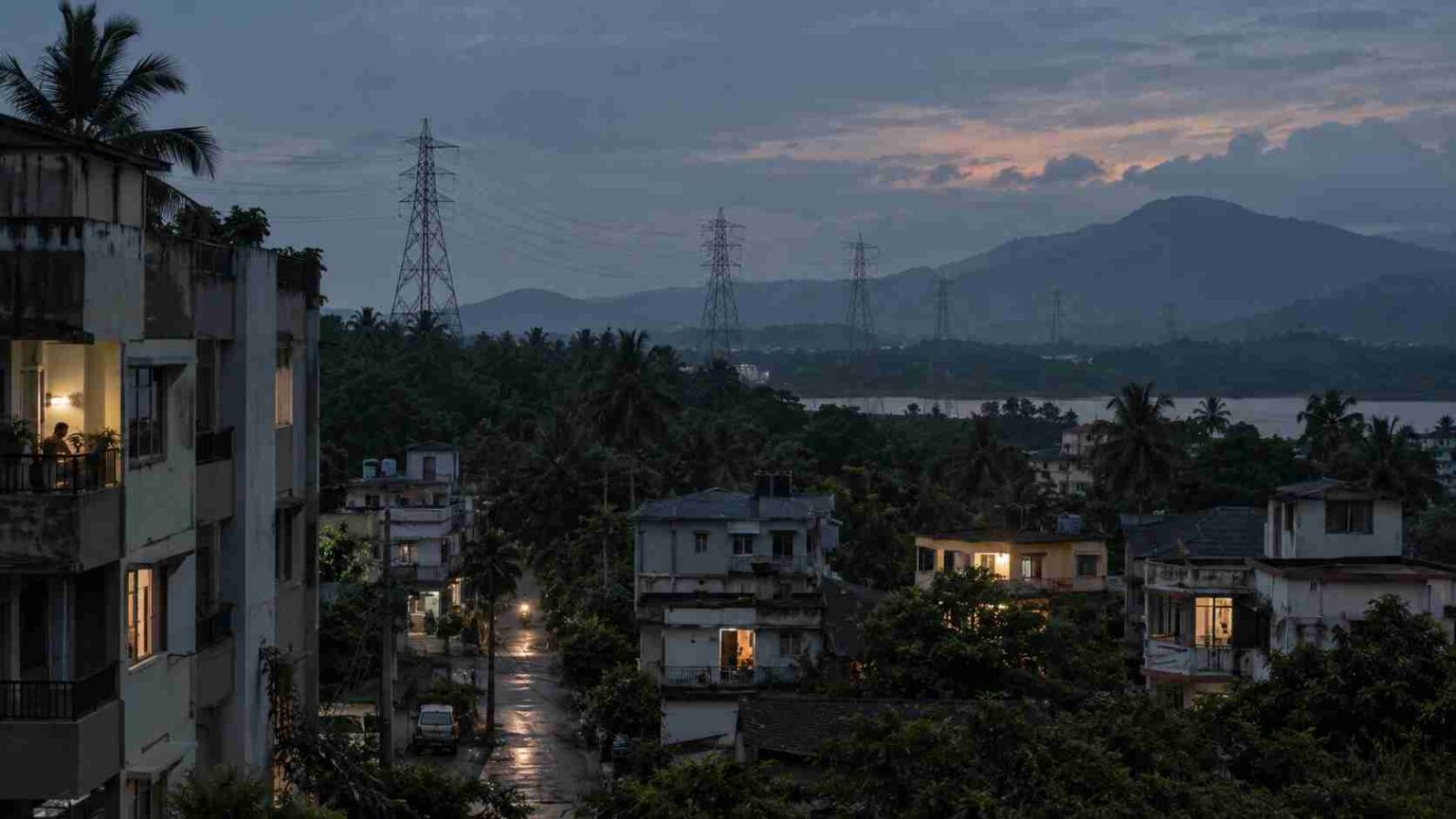

The power crisis in Kerala is increasingly becoming a political battleground; however, simplifying the situation in terms of Congress versus CPI(M) fails to appreciate the structural issues underlying the power crisis. Kerala is a heavy consumer of external power supply, as inadequate rainfall, lower hydro-electric production, and rising demand are worsening the situation. According to recent reports, the deficit during peak hour stands at 1,000 MW. In addition, there is also a nationwide power deficit that limits power supplies through central transmission grids and power exchanges.
This being the case, it cannot end there in Thiruvananthapuram alone. While Narendra Modi’s Union government has consistently emphasized energy security and infrastructure, it is clear from the example of Kerala that any state that relies on energy for its development becomes vulnerable when national energy supplies are reduced. A national energy strategy must have more robust transmission capacity and reliable interstate energy supplies.
However, attributing the blame solely on New Delhi would be a failure to consider the structural weaknesses that have been ongoing in Kerala. The state has failed to build any other major power project since Idukki, resulting in internal power generation being much lower than demand. The managing director of KSEB states that Kerala is presently generating just about 22% of the power that it uses. The present Congress-led government has been left with many of these structural shortcomings, whereas the chief minister of the state blames the LDF-led past government for the present shortfall in electricity supply.
Accountability in this case goes beyond individual governments. The state of Kerala requires rapid development of renewable power generation, battery backup, and procurement; on the other hand, there are concerns about whether the electricity plan of the Modi government adequately equips states with resilience to shocks in their electricity supplies. Political parties can throw accusations at each other, but families in blackout conditions require electricity.
