



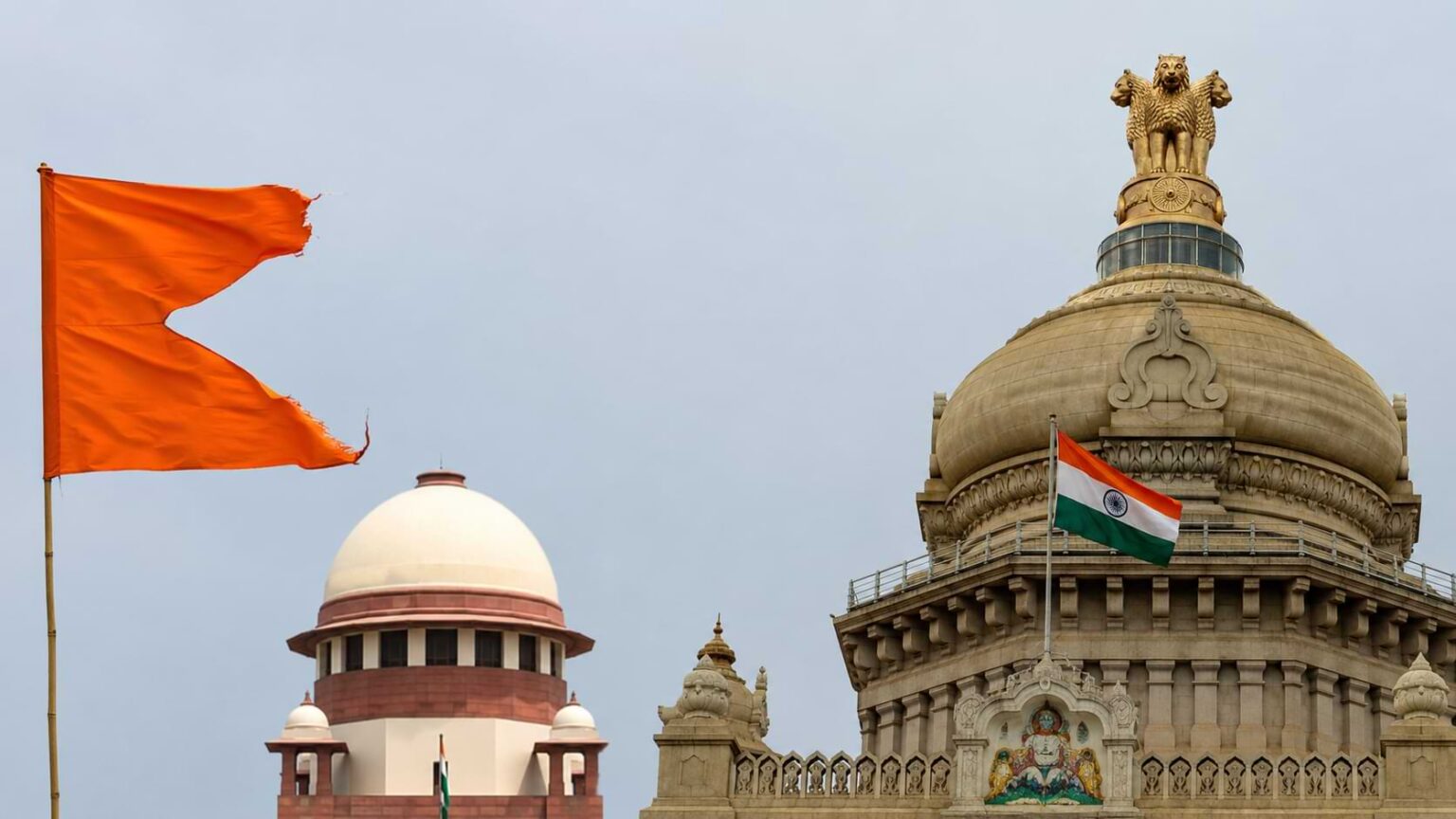

In the period up to July 2026, the clash between the Rashtriya Swayamsevak Sangh (RSS) and Karnataka’s Congress-led government has evolved into one of the sharpest ideological and administrative clashes in the state’s history. While the clash has often been referred to as an intended “ban” on the RSS, this is just part of the wider problem. The clash involves use of public property, granting permission for processions, involvement of government officials, and calls for transparency in organizational operations.
The clash itself started gaining momentum in October 2025, when the government took steps to stop RSS shakhas and other private meetings from taking place on government school premises, public grounds, and government property. According to Minister Priyank Kharge, the government places of property, especially educational institutions, should not be used for the promotion of any particular ideology. The Chief Minister Siddaramaiah later clarified that the ban did not apply to RSS and was issued to all associations.
Almost immediately, things landed into the courts. A state prohibition on unauthorized gatherings of more than ten people in public areas was stayed in October 2025 by the Karnataka High Court. The court refused in November to lift this stay. Other disagreements regarding permission for RSS processions in the street too needed the courts’ intervention. This process pointed towards the crux of the issue legally speaking. The state is within its right to control assemblies in order to maintain order and security. However, this control cannot be arbitrary, vague and discriminatory against politics.
The second stage started in June 2026, with Kharge asking RSS leader Mohan Bhagwat to reveal the legal status of the organization, including the source of funding, registration status and expenditure. Kharge made this request on the grounds of democratic accountability, stating that an important organization cannot go under the radar of transparency simply because it is influential. Bhagwat refused to comply with this request, terming it politically motivated.
The conflict continued in July when Kharge stated that any RSS parade, roadshow, and large public event would require prior clearance, just as any other organization. Yet, Kharge also admitted that any private gathering of the RSS in Belagavi would not require any permission from the government. This point is significant because while the political discourse of both parties tends to blur this line, the distinction exists between private organizational activities and street use/public property.
Both RSS and BJP view government actions as ideological attack on a Hindu social organization and as infringement on the freedom of association. For their part, the Congress leaders argue that the problem is not the Hindutva movement itself but whether the influential organization should obey the same laws as everybody else. The conflict is becoming more personal and legal: in June 2026, a court in Bengaluru issued a summons for Kharge and a Youth Congress leader over the criminal defamation case related to the previous statement about the RSS.
In the end, this struggle is symptomatic of an underlying struggle for secular governance and political control of public space in Karnataka. It is within the rights of the government to preserve public order and ensure institutional impartiality, but at the same time, it is also a right of RSS to organize in a peaceful manner. Any enduring solution to this problem would be based on transparent and neutral guidelines applicable to all organizations, including RSS and Congress-affiliated groups.
