



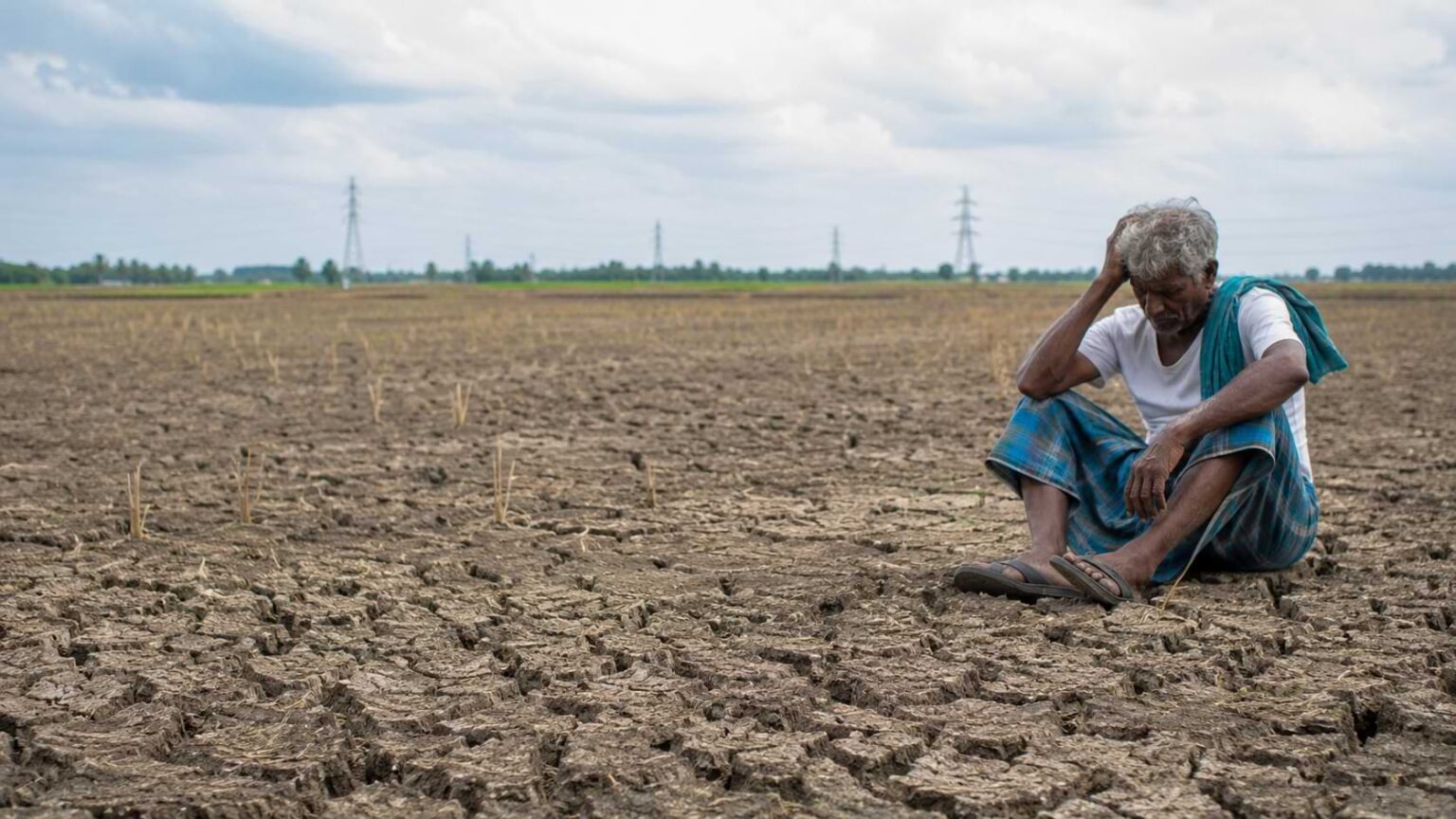

Kaveri Crisis Revisits Tamil Nadu Again
The Kaveri Crisis 2026 has once again placed many farmers of Tamil Nadu under the shadow of uncertainty. The delayed release of water from the Kaveri basin has jeopardized their growing crop in Cauvery delta and put their crops at risk of severe damage. This problem has surfaced once again despite the presence of several measures and mechanisms which were put in place just to avoid these kinds of conflicts.
This is not just an interstate dispute for the farmers; it is an issue of livelihood for them. The cultivation of paddy, employment prospects, and economic stability of whole districts depend on it.
Significance of Kaveri Crisis
Cauvery delta area is known as the rice bowl of Tamil Nadu which feeds millions of people directly and indirectly. More than 14 lakh acres need Cauvery water for irrigation.
There are thousands of families who practice farming.
Water shortage could affect their productivity to a large extent and add to their debts.
Every year, owing to uncertainty related to availability of water supply, farmers have to delay planting season and face financial burden.
Kaveri Crisis in 2026 and Institutional Failure
The establishment of the Cauvery Water Management Authority (CWMA) along with regular intervention of the Supreme Court of India has not helped much. Questions that arise out of this situation include:
- Is there any respect for institutional decision making?
- Why does dispute continue even though there are legal ways to solve it?
- Why do farmers continue to become victims of political considerations?
As per news stories carried by The Indian Express, tensions remain owing to interstate disputes regarding water sharing even after setting up guidelines as per the mandate of the courts.
The repeated occurrence of such a dispute indicates that there are problems regarding the effective implementation of institutional structures.
Criticisms of the Modi Government’s Response to the Dispute
The ongoing row has brought about criticisms against Prime Minister Modi and the Union Government under his rule.
The opposition groups, along with the farmers’ associations, have criticized the Union Government for not taking an active role as a mediator in such a dispute. There are several issues involved in this situation:
Late intervention by the Center.
Inability to stop interstate tensions from escalating.
Inability to provide a permanent political solution.
Ignoring the livelihood issues of farmers.
According to the critics, although the Union Government talks a lot about doubling the income of farmers, the recurring water crisis is an indication that there is still weakness in agriculture governance. https://indianexpress.com
The feeling held by many in Tamil Nadu is that politics often takes priority over the needs of farmers.
Farmers Pay the Price
Those who have been hardest hit by the Kaveri conflict are farmers.
If water releases are delayed:
Economic Impact
Fails of crops have become common. And also, Farmer debt grows, Income of rural people decreases, Migration of people from villages has become common.
Social Impact
The stress of farmers’ families increases.
Youth shun agriculture.
There have been several cases of distress among farmers in Tamil Nadu because of lack of water. According to experts in agriculture, owing to climatic changes, such cases will become more frequent in the future.
Necessity of an Implementation Plan That is both Transparent and Compelling
There is an opinion held that court order alone is not enough.
For a sustainable solution, there must be:
- Strict implementation of tribunal and Supreme Court orders.
- More transparency in data exchange for reservoirs.
- Consistent monitoring by the Centre.
- Mechanisms of cooperation between the states for the long term.
- Climate proof policies for water management.
If such measures were not put into practice, then the Kaveri Crisis would definitely recur every year.
Politicians Must Not Make Farmers Bear Brunt of Politics
The Kaveri Crisis of 2026 illustrates that unresolved water conflicts adversely impact rural areas. As politicians blame each other, farmers remain at the mercy of legal proceedings and insecurity. The Modi-led government finds itself under mounting pressure due to its apparent lack of decisive and impartial actions toward the problem. Critics claim that Centre’s delays in intervening in the situation have exacerbated existing problems, resulting in the suffering of the farmers.
With the land getting dried up in the Cauvery delta, only one thing becomes more obvious everyday water disputes cannot be used for political purposes when the lives of millions of farmers hang in the balance.
