



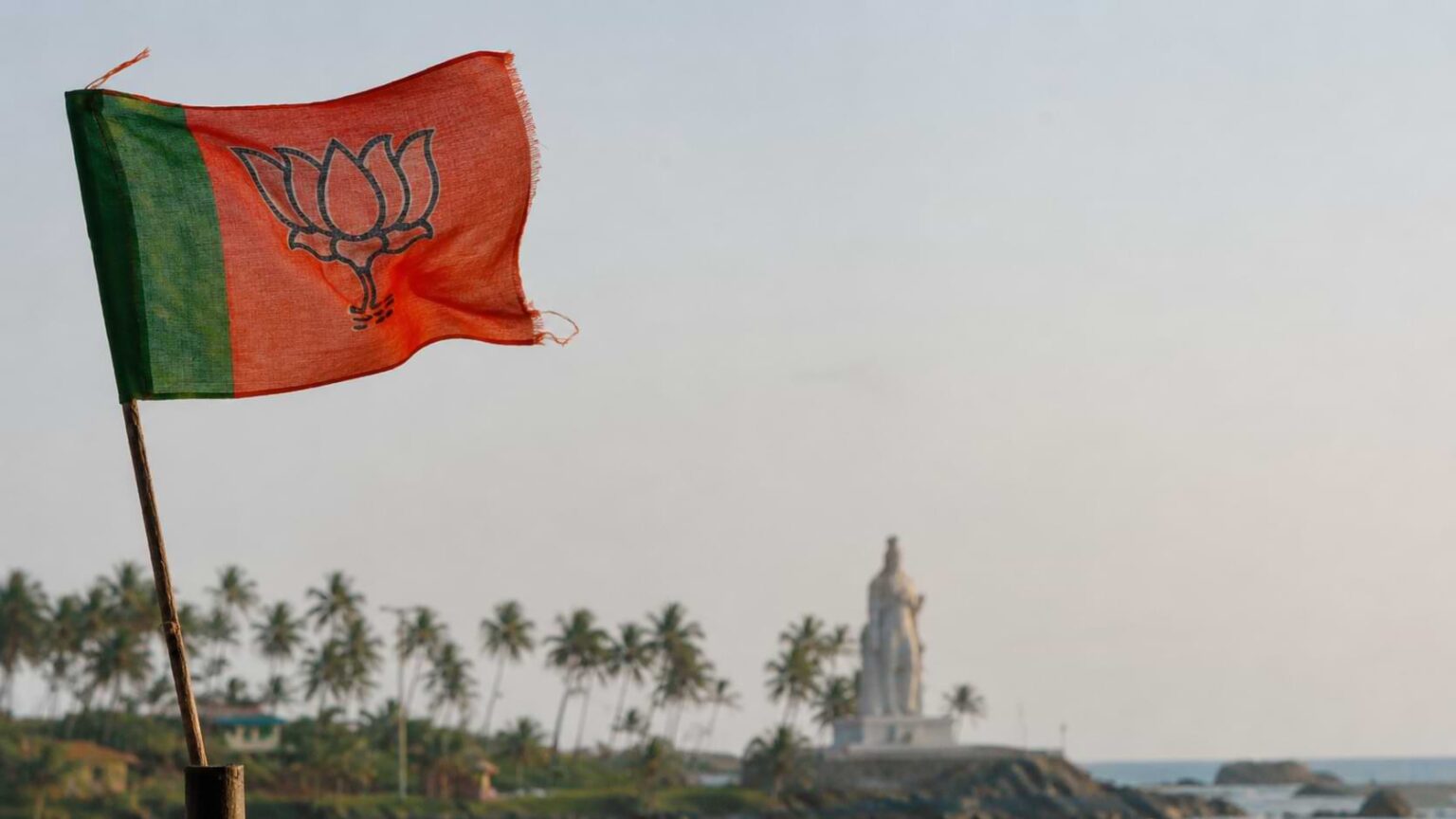

The BJP advances a new initiative, ‘Mission 2029’ for Kerala, in efforts to broaden their party base for the subsequent Lok Sabha elections. First, an overview of their position is in order. The BJP, following the new Kerala Assembly elections of 2026, will have 3 of the 140 seats, and approximately 24.66 lakh people voted for them. Many consider this a monumental advancement, and it is believed that this will see the party achieve multiple Lok Sabha wins by 2029. The feasibility of this expectation is debatable.
The outcome of the 2026 elections saw the centrally dominant, Congress-led, United Democratic Front (UDF), achieving a massive victory and returning to power with 102 of the 140 seats, thus ending an LDF rule of the preceding 10 years. The Congress won 63 seats, and the LDF won 35 seats. Many leading left ministers lost their constituencies and so did the Chief Minister Pinarayi Vijayan, who was forced to fight to retain his seat, and later resign.
The BJP managed to win M Rajeev Chandrasekhar in the three constituencies of Nemom, Kazhakoottam, and Chathannoor, by a margin of 3,000 votes from Nemom. The BJP was leading in Kozhikode South, but finished third. These results have, without doubt, consolidated the BJP foothold in the state. However, they are far from establishing the likelihood of a BJP wave in Kerala.
Where Numbers Make a Difference
The BJP has been said to be keen on adding 30 lakh more votes by 2029. Even then, it will have a much smaller vote base than the UDF and LDF put together, which polled more than one crore in the last assembly polls. The BJP has likened its Kerala approach to its success in West Bengal. But this is not quite the same. The context, dynamics, and social scenario were all very different in Bengal. Kerala has a history of being a state that is heavily influenced by Congress and the left-wing politics, along with high literacy rates, active civil societies, and a politics that has been non-Hindutva in nature.
What Can Strategy Do for You?
Under the Mission 2029 campaign, the party aims at holding residential training sessions, evaluating party leaders, launching an exclusive Saral app, and distributing the 72-page organizational handbook. However, organization alone is not enough to ensure electoral success. In 2026, those disenchanted with the LDF largely moved from the LDF to the Congress-led UDF and not the BJP, implying that antipathy towards the incumbent left was not sufficient for moving towards BJP.
Does the West Bengal Model Work for Kerala?
The success story of the BJP in West Bengal was possible only in the specific context of politics, including years of organization building, increased polarization and discontent against the incumbent government. The case of Kerala is quite different since the Congress remains a formidable organization; the left is still strong even after being defeated, and communal polarization does not play much of a part in politics there.
At present, however, the BJP’s achievement of only three seats marks an incremental advance rather than a political breakthrough. The vision of Mission 2029 is certainly grand, but it is no secret that visions alone can achieve nothing in electoral terms. In order for the BJP to become a major player in Kerala, it will have to do more than just strengthen its organization; it will have to show that it has a credible option for people living in Kerala.It will all depend on whether the BJP will turn Mission 2029 into a milestone or yet another vision.
