



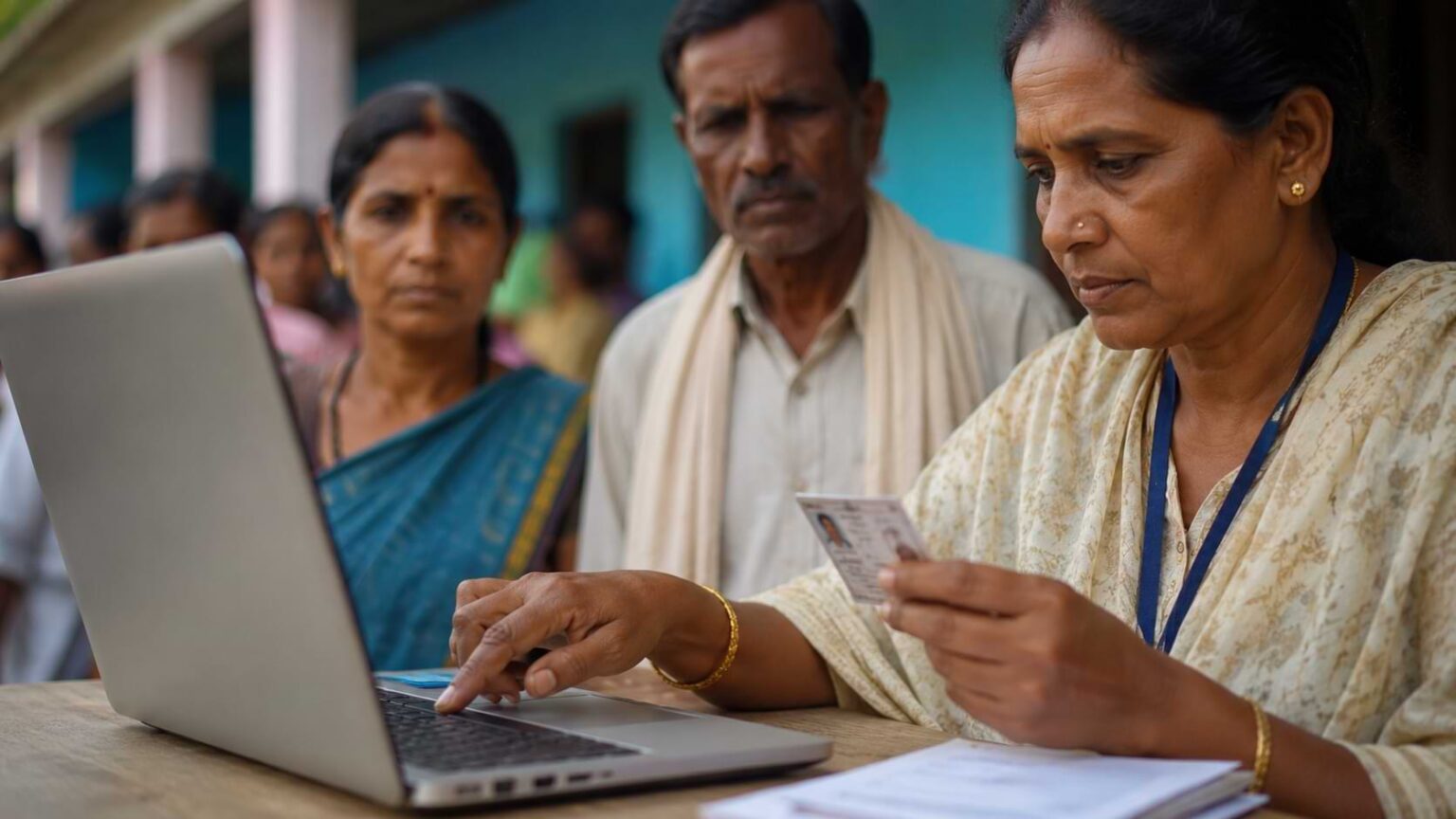

The process of special intensive revision (SIR) of electoral rolls has been among the most talked-about topics on social media in Karnataka this week. Thousands of people including citizens, political personalities, journalists, and election analysts have used various social media platforms like X (formerly Twitter), Facebook, Instagram, and YouTube to give their views about the ongoing verification of voters. An attempt to get the electoral rolls updated and verified has become a debate for the entire state of Karnataka on the topics of technology, governance, and democracy.
The Election Commission initiated the process of SIR to maintain the correctness of electoral rolls through removal of duplicity or ineligibility of names along with addition of eligible voters. This involves not only online verification but also physically visiting homes of citizens by Booth Level Officers (BLOs). Over 59,000 officers are conducting verification and collecting enumeration forms from citizens in Karnataka in connection with this exercise.
However, the exercise garnered much public attention following reports that almost one lakh applications had been made online, yet just 0.2% of those applications could be processed. As per reports from the officials, the main reason for the failure of the applications was the difference between the information provided by the citizens in their applications and what is available in the database maintained by various governmental authorities. This includes discrepancies in name, date of birth, address and other personal details.
This controversy has led to heated political debates too. The opposition has questioned the conduct of the process and called for transparency while the state government denied any irregularity and requested people to cooperate in the process. The officials have time and again clarified that there would be chances for eligible voters to correct any mistakes and door-to-door verification would ensure that the right citizens do not get left out.
Other than political matters, there have emerged several challenges that digital governance faces in today’s technological world. Despite technology making administrative services convenient and fast, it needs to be able to incorporate some leeway where real-life mistakes can occur while entering details into government databases. A highly automatic system which relies upon a match of all entered data would end up becoming a stumbling block for people rather than easing administrative procedures for them. Experts believe that the mixture of technology and human validation is very crucial for such systems.
The debate about this verification of voters is likely to be among the most discussed matters on social media in the coming days, at least in Karnataka. Whatever may happen in this matter, it would certainly have an impact on future digital governance measures being taken in other parts of India. The current debate reflects that despite numerous advantages of digitalization, it needs to rely heavily on the transparency and accessibility of information to the masses.
