



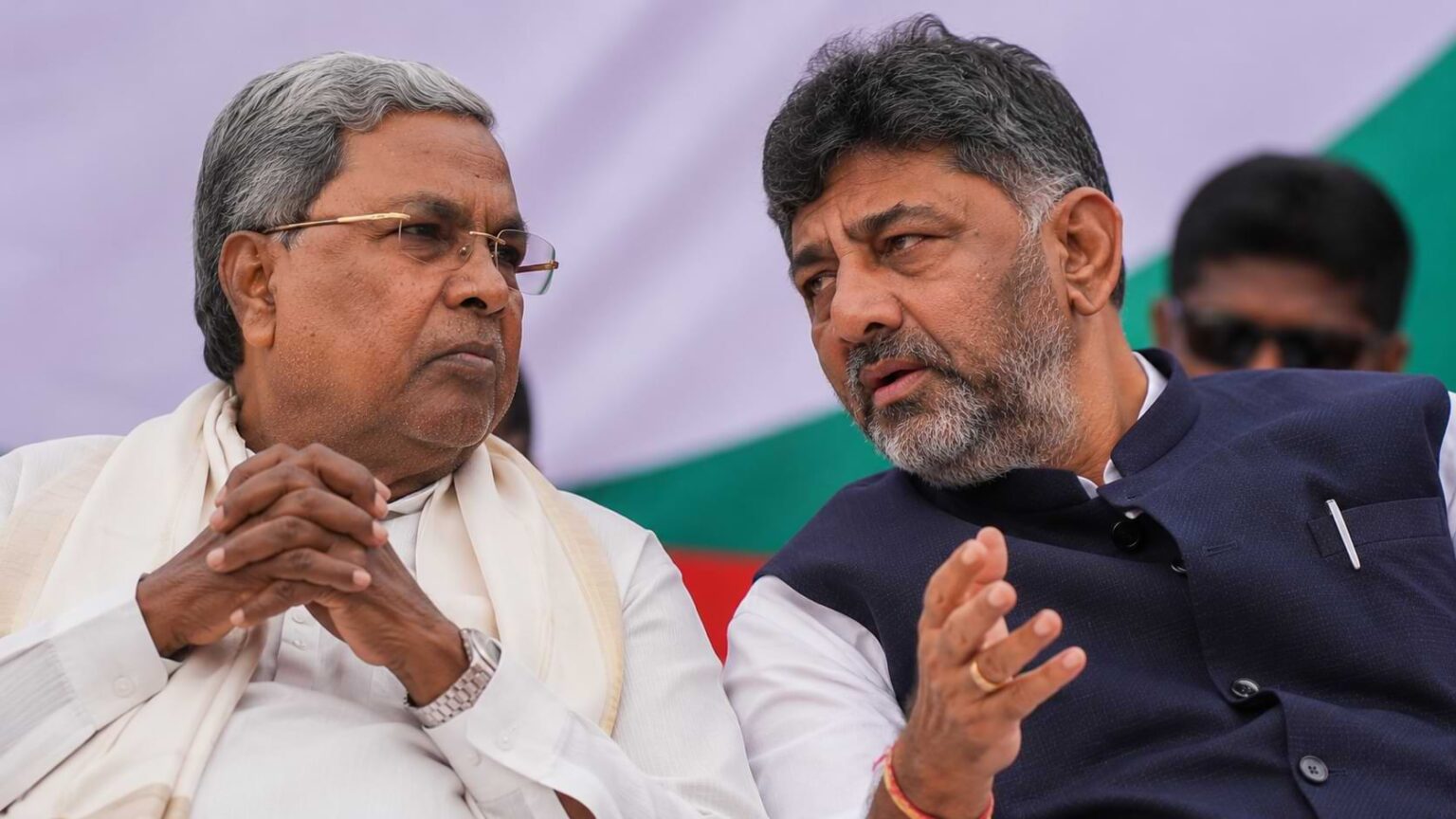

The shift of the chief minister position in Karnataka from Siddaramaiah to D. K. Shivakumar represents one of the state’s most significant political handovers since the Congress Party won control again in 2023. It goes beyond just swapping leaders; it’s a smartly handled internal move within the Congress, guided by figuring out power dynamics, election strategies, caste math, ruling expectations, and planning for future battles.
Siddaramaiah became the power player in 2023 thanks to his vast experience and grassroots appeal within the Congress. Known for championing social justice, welfare programs, and courting backward classes, minorities, Dalits, and less privileged groups, he boosted Congress’s popularity. Under him, the party hammered home their benefit plans that were key to beating the BJP in the polls. Still, even before they secured victory, it was clear that D. K. Shivakumar, who had played a crucial role as the state Congress president and key architect behind their win, would take the lead spot eventually. So, this changeover really shows the delayed settling of an internal power-divvy plan they cooked up beforehand.
The first big reason for this switch is that the Congress high command needs to hold together two powerful leaders, Siddaramaiah and Shivakumar. Siddaramaiah’s got a solid social standing and ideology, whereas Shivakumar is more of a go-getter, great at organising and handling crises. Ignoring either camp could spark conflict, damaging the government. So, by having Siddaramaiah serve most of his term and then bringing Shivakumar on top, the party aims to dodge any outright revolt and keeps both figures tied to the party’s future direction.
Another key factor is electoral strategy. Karnataka is crucial to the Congress party. With the 2028 Assembly elections and other upcoming contests, they want to switch up their leadership before people get too frustrated with the incumbents. While Siddaramaiah built his fame with welfare projects, Shivakumar promises something else—he’s better at political maneuvering and control, with strong connections in the Vokkaliga belt. This move should make the Congress competitive against both the BJP and the JD(S), capitalizing on local voter loyalties.
The third reason deals with administrative and political energy. By the end of three years, ruling parties get hit with gripes about delivery, corruption, and local unhappiness. Naming a new chief minister, like Shivakumar, lets Congress show continuity without seeming stale. He can boast past successes, promise quicker action, and vow tougher political tactics. This move helps refresh how the public views them without swapping the ruling party.
But, there’s risk too. Siddaramaiah isn’t just any outgoing chief minister; he’s a key figure with a strong support base and tons of experience. Plus, he means a lot to backward-class politics in Karnataka. If his crew feels left out,Congress could see inner strife. That’s why giving Siddaramaiah roles in the Congress Working Committee and keeping members from his crew in the government is so important. It shows he’s being elevated, not kicked out.
For D.K. Shivakumar, this new position is huge. It fulfills a long-held political dream, but it comes with a ton of pressure too. Now that he’s chief minister, Shivakumar can’t just criticize issues—he needs to fix them. Managing everything from welfare spending to dealing with Bengaluru’s infrastructure problems, farmer worries, job creation, and investment issues will be a beast of its own. On top of that, he’s got to watch out for the fights coming from the opposition.
His success won’t just rely on political power; it’s all about what he actually accomplishes for the state. Meanwhile, the BJP plans to tell a story about this shift—that it shows division within the Congress, claiming Karnataka was run by compromise, not stability. For the JD(S), their struggle gets trickier, particularly in regions dominated by the Vokkaliga community. If Shivakumar manages to strengthen the Congress presence in Vokkaliga areas while still appealing to Siddaramaiah’s voter base, it will create serious challenges for the BJP-JD(S) team. But if things don’t go as planned, the opposing parties will pounce on any slip-ups they can blame on caste tensions or internal disputes.
The public mainly cares about whether the government gets more effective. While people don’t focus on Congress’s formulas, they do care about prices, jobs, roads, electricity, help for farmers, education, and city services. If Shivakumar makes things better for the people when he takes over, folks will think it’s worthwhile. But, if it doesn’t lead to real changes and is just a reshuffle, interest might die down quickly.
Overall, switching from Siddaramaiah to D. K. Shivakumar is a tricky move. It’s meant to honor Shivakumar’s organizational skills, keep Siddaramaiah’s respect intact, and give Congress a shot at refreshing before the next round of elections. For this to work, Shivakumar needs to blend Siddaramaiah’s welfare policies with his own vigor. So, Karnataka’s leadership change isn’t about ending conflicts; it marks the start of testing how well Congress can govern.
