



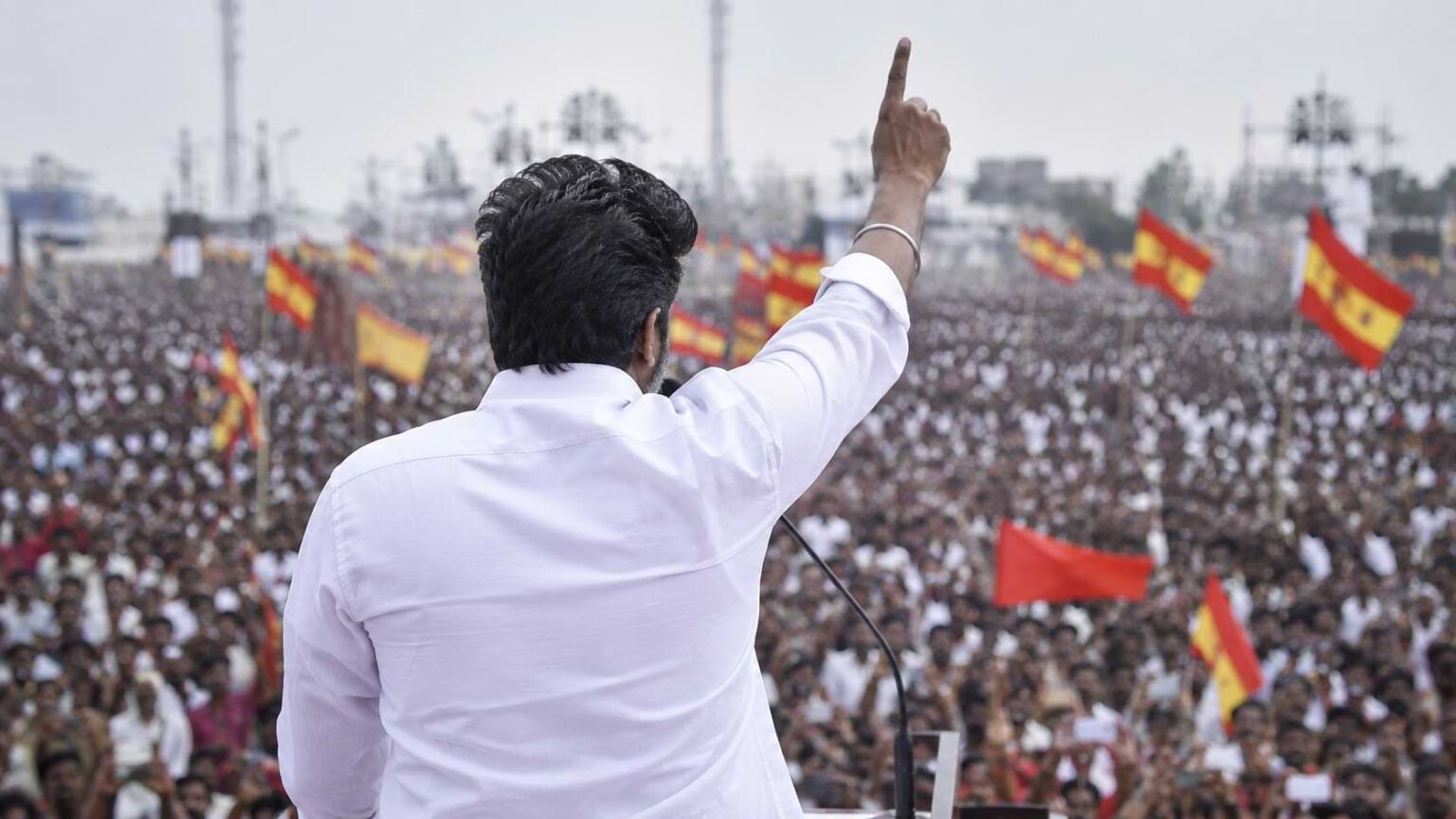

The 2026 South Indian assembly elections were wild. The BJP, TVK, and other non-Left groups got really strong. Traditional Dravidian and Left parties lost big time after decades of fighting for control. Voters were just tired of the same old incumbents. They were feeling anti-incumbency and hyped about fresh faces in charge. So new leaders swept in, taking advantage of voter mood swings.
The emergence of non-leftist political parties indicates that many citizens desire alternatives to current political ideologies. In Tamil Nadu, actor Vijay has made political history by changing from film star to politician. The same trend has also been seen in Kerala where UDF won against Left (the opposition) and BJP made further progress from the time of previous elections (2016). This trend has been evident with many people wanting to vote for parties based on the functional capabilities of Government operations, such as job opportunities, and maintaining a strong local identity.
TVK (Tamil C. Joseph Vijay) made history by winning 108 out of 234 seats and over 35% of total votes cast for the first time in 2026 to achieve victory; of these 118 seats, TVK under C. Joseph Vijay maintained a minority Government throughout the next electoral term and was able to form a Majority Government due to the assistance of smaller parties.
Mr. Vijay took office as Chief Minister on May 10, 2026, and during his election campaign promised to fight all forms of corruption, promote a fair and equitable society, and assist young people.
TVK gathered huge number of young voters, women and urban people who were fed up of the DMK-AIADMK duo. The party brought BJP up as an ‘ideological opponent’ and attacked DMK on dynastic politics.
Though TKV led the pack in Tamil Nadu, the BJP made some waves in other regions.. They scored big in West Bengal. Even though in Tamil Nadu the party got just a meager showing, their alliances and ground game hint at stronger things to come.
Over in Kerala, BJP’s three-seat gain marked their best showing yet, beating the LDF and letting UDF win the state. The left forces there fell due to divided votes.
The rise of Non-Left Politics in Kerala signals the emergence of a political scenario wherein voters prefer development politics than pure ideological politics.
Kerala’s Changing Political Landscape: Fall of Left Front
The people of Kerala sent the LDF crashing after its 10-year stint with the opposition winning 102 seats in the 140-member assembly whereas LDF secured a mere 35. Since no Indian state is led by the Left Front anymore, not even since 1977, things have changed a lot. Why? Well, anti-incumbency, economic struggles, and sky-high public debt over ₹4.88 lakh crore played roles.
Significance of This Change Mature Voters: Fresh faces rewarded, mistakes penalized.
New Age Politics: TVK made effective use of social media.
Era of Coalition Governments: Hung governments require coalition politics.
Nationwide Impact:
Gives strength to political parties other than Congress and Left Front in the Southern states.
According to an article published on BBC news online, Vijay’s victory underscores the tendency of Tamil Nadu voters to reject national political parties in favor of newer regional parties.
Why This Development is Significant
- Voters Punished and Rewarded:
- Voters appreciated freshness and punished failure.
- Television Knowledge Party and Youngsters: TVK made the best use of social media.
- Hung Assemblies: Coalition politics becomes imperative.
Impact at the National Level: It will strengthen other alternatives to Congress and the Left in the south.
BJP must be careful about language in the South. TVK needs to make good promises under coalition constraints.
