




In 2014, Andhra Pradesh split from Telangana. Hyderabad went to Telangana. Andhra Pradesh lost its biggest city overnight. The state needed a new capital.
Leaders promised quick action.
The Telugu Desam Party government selected Amaravati. The area sat between Vijayawada and Guntur. Leaders called it a future global city. They showed large plans. They promised clean roads, modern offices, riverfront buildings, and foreign investment.
Many people believed them.
Farmers gave land to the government. Thousands of acres came through the land pooling scheme. Some families gave fertile farmland. Officials promised growth and higher land value in return.
At first, excitement remained high.
The government held meetings with foreign planners. Singapore consultants joined the project. Big presentations appeared on television. Amaravati became the center of Andhra politics.
But construction stayed slow.
Many buildings never moved beyond planning stages. Roads remained incomplete. Funding problems increased pressure on the government. Critics accused leaders of focusing too much on publicity.
Questions also emerged over land deals. Opposition parties claimed insiders bought land before official announcements. The government denied wrongdoing. Still, suspicion spread.
Then the 2019 election changed everything.
The YSR Congress Party won by a huge margin. Y. S. Jagan Mohan Reddy became chief minister. Soon after taking office, the new government challenged the Amaravati plan.
Jagan proposed three capitals.
Under the proposal, Amaravati would handle legislative work. Visakhapatnam would become the executive capital. Kurnool would become the judicial capital.
The government defended the move strongly.
Leaders said Andhra Pradesh needed balanced development. They argued that earlier governments ignored Rayalaseema and North Andhra. They said one capital would only help a small region.
The proposal gained support in some areas.
Visakhapatnam already had strong infrastructure. It had industries, tourism, a port, and urban growth. Many people believed the city naturally suited administrative work.
Rayalaseema leaders also supported the plan. They wanted more government presence in their region after decades of complaints about neglect.
But Amaravati farmers reacted with anger.
They felt cheated. Many had already given land based on government promises. They expected Amaravati to become the permanent capital. The sudden policy change shocked them.
Protests started quickly.
Farmers marched on roads. Women joined rallies. Elderly people sat in demonstrations for months. Protest camps appeared across the Amaravati region.
The issue became emotional.
Court cases followed. Political speeches grew sharper. Leaders attacked each other daily. The capital debate soon dominated Andhra politics.
Meanwhile, development slowed further.
One government promoted Amaravati fully. Another government reduced its importance. Investors saw confusion. Companies avoided uncertainty.
Large projects lost momentum.
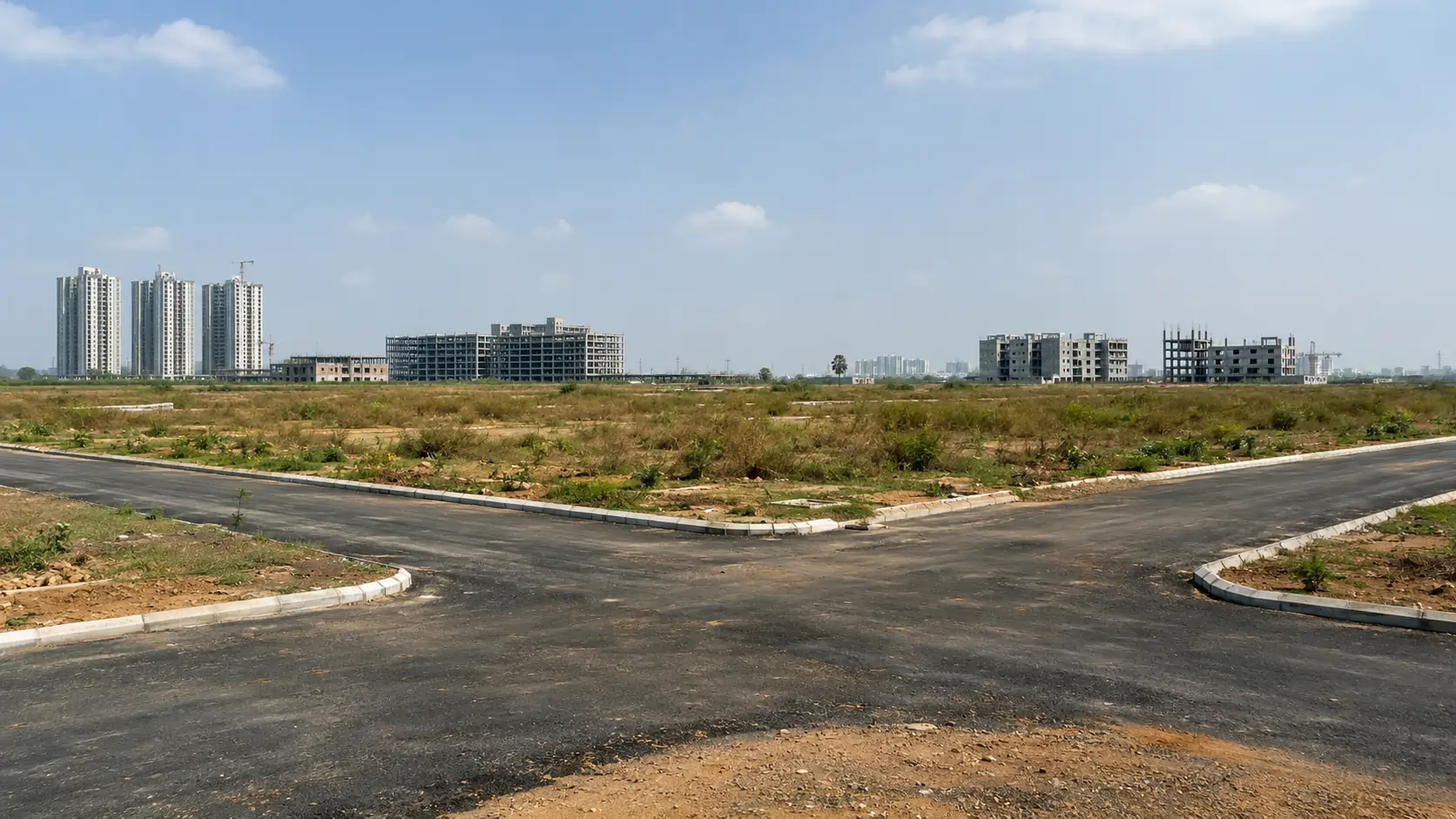
Several promised buildings in Amaravati still remain unfinished today. Empty land and half completed roads became common sights in the region.
The fight damaged Andhra Pradesh’s image.
Businesses prefer stable policy. Investors avoid political uncertainty. Andhra Pradesh failed to offer consistency during the capital dispute.
Other southern states moved ahead during the same period.
Hyderabad grew faster after bifurcation. Bengaluru expanded its technology sector. Chennai strengthened manufacturing and infrastructure.
Andhra Pradesh stayed trapped in political conflict.
The state also struggled financially. Welfare spending increased. Public debt rose steadily. At the same time, capital projects required huge investment.
Neither side offered a clear long term solution.
Supporters of three capitals argued that decentralisation would spread development across regions. They believed Amaravati concentrated too much power in one area.
Critics disagreed.
They questioned how three capitals would work practically. Officials would need constant travel. Administrative work could become slower. Departments could face coordination problems.
The government never fully answered these concerns.
The issue also exposed deep regional divisions inside Andhra Pradesh. Coastal Andhra, Rayalaseema, and North Andhra all carried separate political frustrations. Each region wanted greater importance.
Political parties used those emotions during elections.
Over time, the capital issue became less about governance and more about political rivalry. Both major parties treated the issue like a prestige battle.
Ordinary people grew tired.
Many citizens no longer care about slogans around Amaravati or decentralisation. They care about jobs, roads, schools, industries, and stable administration.
Young people continue leaving Andhra Pradesh for work outside the state. Many move to Hyderabad, Bengaluru, Chennai, Dubai, or the United States. Local opportunities remain limited in several districts.
Farmers still face uncertainty. Small businesses struggle in many towns. Infrastructure gaps remain visible across rural regions.
Yet the capital issue continues to dominate headlines.
Visakhapatnam kept growing naturally because of its economy and location. Many people now see it as Andhra Pradesh’s strongest urban center regardless of official capital status.
Kurnool, however, saw limited change despite political attention.
Amaravati still exists in uncertainty.
The larger problem goes beyond one capital city. Andhra Pradesh showed how political competition can delay long term planning. Governments changed direction after elections. Policies shifted repeatedly. Large projects lost continuity.
That damaged public trust.
Capital cities take decades to build properly. They need stable policy and steady investment. Andhra Pradesh never got that stability after bifurcation.
The state entered 2014 with public sympathy and strong expectations. Many believed Andhra Pradesh would rebuild quickly after losing Hyderabad.
Instead, years disappeared in political conflict.
The Amaravati versus three capital battle consumed energy, money, and time. The state kept arguing while development slowed.
Andhra Pradesh still searches for clarity after more than a decade.
