



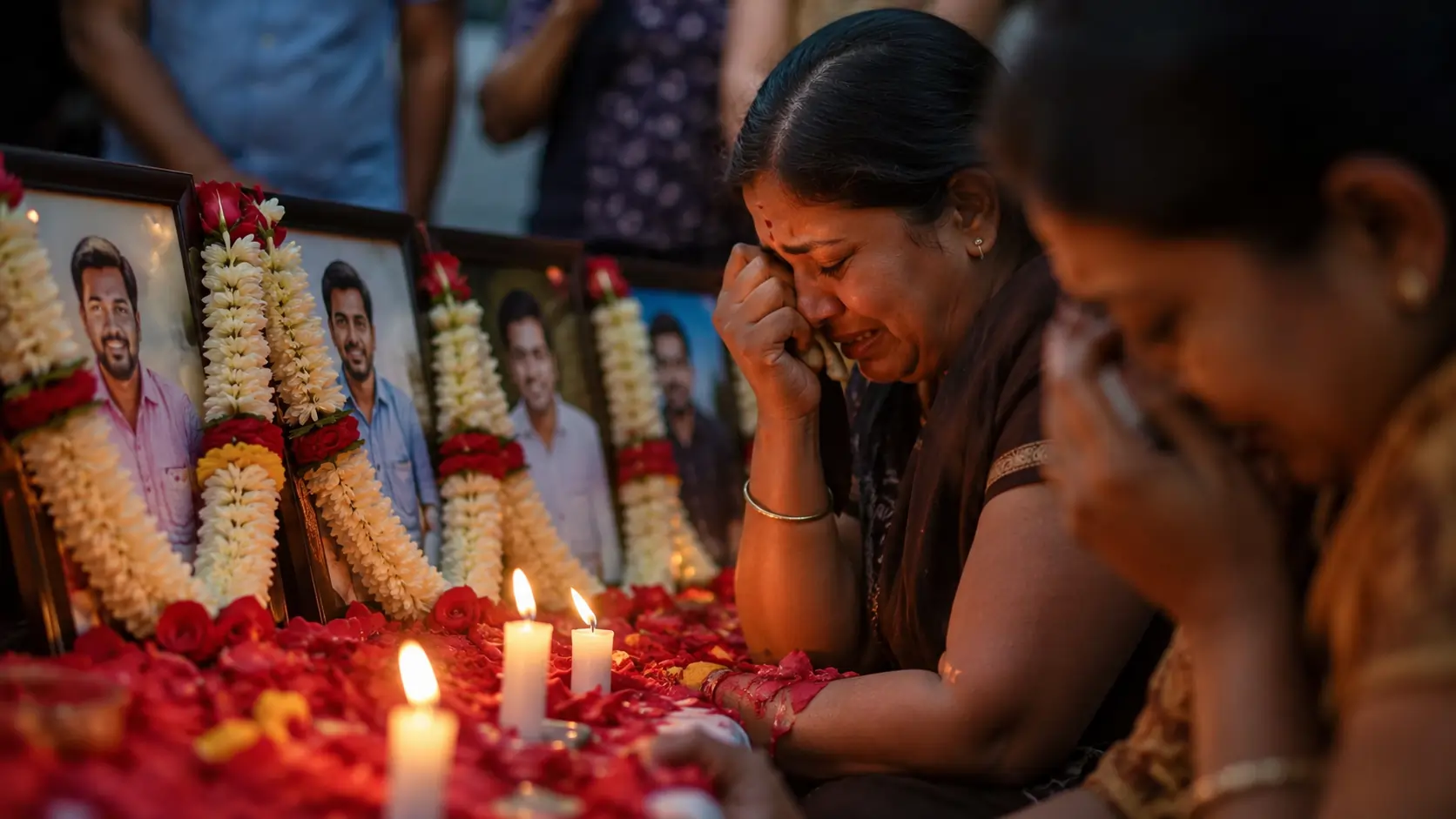

The attack in Pahalgam shocked the country. News spread fast. Videos and updates filled every screen. Leaders spoke. Channels ran debates. But inside many homes, the reality was quieter and harsher. Families waited for clear answers. Some of those families were from South India. A few were from Andhra Pradesh. Their loss felt just as deep. Yet their stories did not travel as far.
In several cases, families did not hear from officials first. They learned from calls, messages, or news clips. They tried to confirm details on their own. This should not happen. When a citizen dies in an attack, the state must inform the family first. It must be clear and quick. It must be done with care. Any delay shows a gap in the system.
After the first shock, there were more problems. Bringing victims home took time. There were delays and confusion. Families had to deal with forms and offices. Some did not know whom to contact. Local systems did not seem ready. In a moment like this, the process should be simple. It should not add to the pain.
State leaders in Andhra Pradesh spoke about support. Compensation was announced. This is expected. But the real issue is what happens after the announcement. Did the money reach families on time. Was there follow up. Were officials in touch after the first few days. Many families need steady help, not one-time aid.
Loss changes lives in many ways. If the victim was the main earner, the impact is severe. Children may need help with school. Older parents may need care. Some family members may not be able to work due to stress. These needs do not end in a week. They last for years. Support should also last.
There is also the question of safety. Kashmir has seen tension for years. Tourists still visit, but risk must be managed well. This raises basic questions. Were visitors told about the level of risk. Were there clear warnings. Did local authorities review the situation before allowing travel. If there was danger, was security strong enough.
Safety cannot be an afterthought. If people are allowed to travel, they must be protected. If risk is high, movement should be limited. These are simple expectations. When they are not met, the system must answer. So far, there has not been enough clarity on what went wrong in Pahalgam.
Another issue is how victims are shown in the media. Not all stories get the same space. Reports from the South often stay within regional news. They do not reach the national level. Language is one reason. A report in Telugu may not be picked up by Hindi or English channels. As a result, some families feel unseen.
This matters because attention brings action. When a case gets wide coverage, there is more pressure on officials. When it does not, that pressure fades. This creates a gap. Victims from some regions get more follow up than others. It should not depend on where a person comes from.
The role of local leaders also needs a close look. In Andhra Pradesh, leaders spoke and expressed grief. But did they push for answers. Did they stay involved after the first week. Did they check on each affected family. Real support needs steady effort. It cannot stop after the cameras leave.
There must be clear responsibility in such cases. Who reviewed the security situation before the attack. Who allowed tourist movement. Who handled the response after the incident. These questions need answers. Without them, the same mistakes can happen again.
The Pahalgam attack should lead to change. There should be a clear system for handling such crises. States like Andhra Pradesh should have a plan for their citizens who face trouble outside the state. There should be a list of contacts, a clear process, and trained teams.
Travel advisories must also improve. They should be easy to understand. They should be updated often. People should know the real situation before they travel. This helps them make safe choices.
Support for victims must go beyond money. Families need long-term care. Children need help with education. Dependents may need jobs. Many may need mental health support. These are basic needs after a tragedy. They should be part of every response plan.
At the center of all this is a simple idea. Every citizen should matter the same. It should not depend on region or language. A family in Andhra Pradesh should feel the same support as a family anywhere else. Their grief is not less. Their need for justice is not smaller.
Right now, the response shows gaps. There were delays in communication. There were problems in coordination. There is still a lack of clear answers. These issues need to be fixed.
Because this will not be the last such incident. When the next crisis comes, the system will be tested again. What matters is how it acts in the first few hours and days. How it treats families. How long it stands with them.
The families from South India, including Andhra Pradesh, are still dealing with their loss. Their stories deserve to be heard. Their questions deserve answers. And their place in the national response should never be smaller than anyone else’s.
