



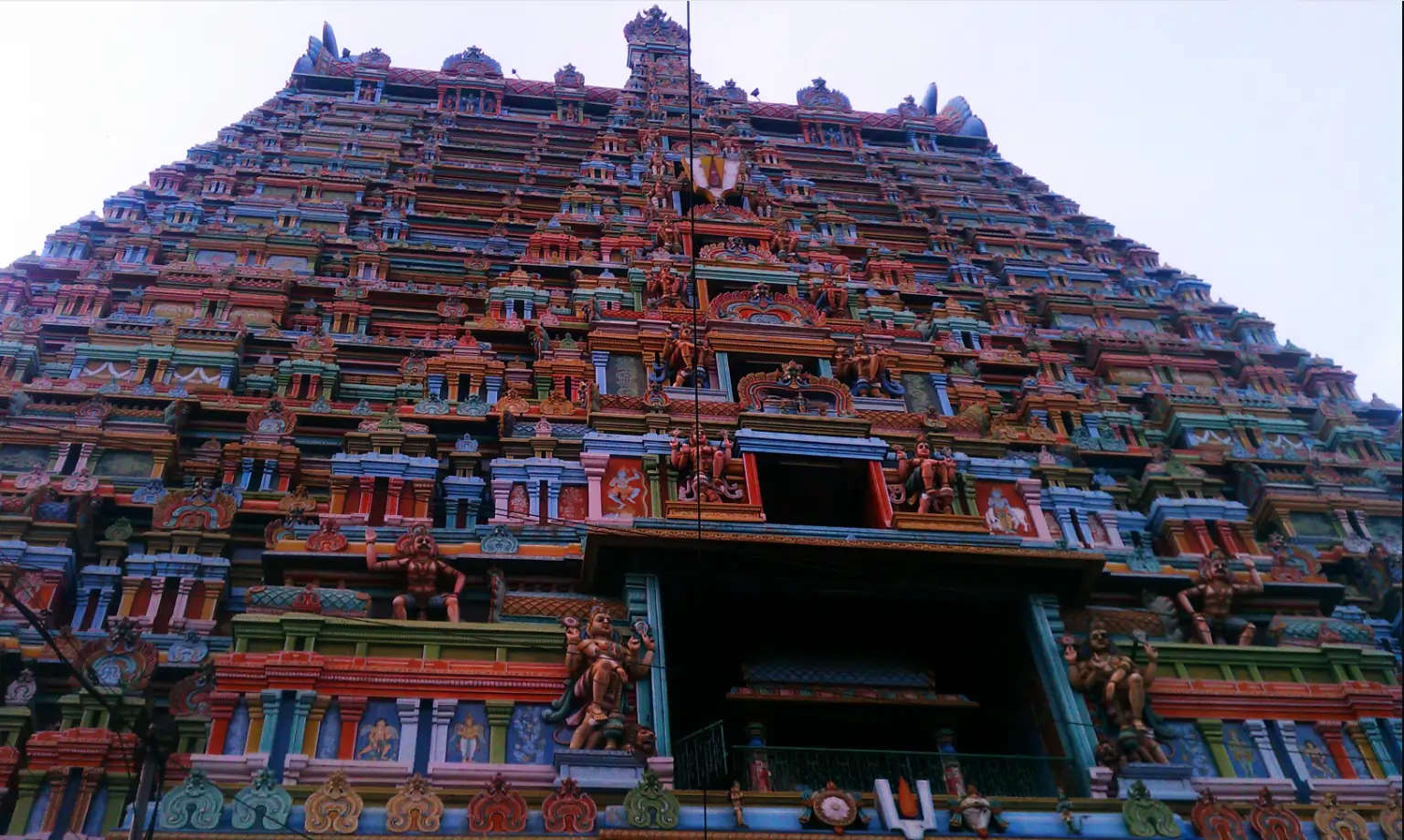

The temples located throughout Andhra Pradesh represent some of South India’s most important temples, which contain all three aspects of religion (faith), architecture, and the everyday life of the people who live in the community surrounding the temple. Temples have always played an important role in all aspects of life for the people of the state. The role of the temple has evolved over the centuries; however, they have consistently been a major part of both spiritual and community life.
A Brief History of Temple Building in Andhra Pradesh
Temple building in Andhra Pradesh has taken place as far back as before the birth of Christ. Many ruling families have contributed to the process of temple building throughout the centuries, but the Satavahana, Chalukya, and Vijayanagara kings, in particular, built temples both as an expression of their religious beliefs and their political power. The architectural and cultural influence of this period is explored in detail in The Rise and Fall of the Vijayanagara Empire: Andhra’s Forgotten Imperial Legacy
Many of the temples that were built during these time periods represent the type of architectural style that is usually associated with Dravidian architecture; specifically, they typically have large entrance gates (gopuras), decorative carvings around the temple, and many courtyards.
The Tirumala Temple of Lord Venkateswara is one of the world’s most profoundly important spiritual and historical pilgrimage sites. Located atop the Tirumala Hills, it ranks among the world’s most frequently visited pilgrimage sites as well. Over many centuries, pilgrims who have walked this same route, offering the same prayers have created a direct connection between their lives today and the lives of pilgrims before them.
The Sri Srisailam Temple (dedicated to Lord Shiva and Goddess Parvati) is another one of the many important places to worship for Hindus. Located across the Krishna River on the Nallamala Hills, it is one of the twelve “Jyotirlinga” shrines of Hinduism.
Architectural and Craft Traditions
Temples in Andhra Pradesh illustrate this combination of both regional and larger cultural forms of architecture with artistic elements that are specifically tied to the craftsmen within that region as well as influences from other regional sculptures within Southern India. In particular, gopurams (the large entrance towers) are perhaps the most distinct architectural feature of the temples in Andhra Pradesh. The gopurams are typically very ornately carved with examples of mythological creatures, gods and goddesses, and ancient folklore depicting the skill of that period’s artisans.
Mandapas (or columned halls) are present in temple complexes, and their purposes vary; they are used for rites of worship or community activities (e.g., music, celebrations, and gathering of people). Many of the walls and columns contain carvings that depict stories found in Hindu epics such as the “Mahabharata” and “Ramayana” thus essentially making each temple a visual storyteller.
Lepakshi Temple is one of the best examples that illustrate fantastic architecture, constructed during the Vijayanagara Period, that consists of red sandstone ceiling paintings and a “hanging pillar,” which has no supports and rests around 15 cm above the floor. As well, the temple complex contains a monolithic statue of Nandi (the sacred bull), demonstrating the skill of artisans at this time.
The previously mentioned artistic elements provide an understanding of how architecture, sculpture, and devotion combine to create a place of spiritual fulfillment. In this sense, every individual carving, hall, and shrine serve as part of the devotee’s complete experience of spirituality.
The Function of Temples as Community Centres
Although the temples located in Andhra Pradesh serve primarily as places of worship and prayer, they also serve as important centers for community activity, historically providing facilities for schools, food distribution, musical programs (for example, bhajan), and cultural celebrations (e.g., festivals). Today, many temples provide food free of charge to pilgrims and visitors in keeping with the tradition of hospitality that is shared by all.
Each year, temples are the sites of many large festivals for all of the villagers to participate in together. The streets leading up to the temple are lively with music and adorned with decorations and flags, with processions of the gods riding on beautifully decorated chariots to be taken to the homes of their devotees. These festivals allow families and communities to reestablish their bond through their mutual heritage.
Temples are more than just buildings that serve a religious and cultural purpose; they can function as engines of local economic growth as well. Billions of dollars are brought into local economies through pilgrimage tourism. Many small businesses, artisans, florists, and food vendors depend on the steady stream of pilgrims to sustain their businesses. Cities such as Tirupati have been transformed into sizeable cities of commerce as a direct result of the activity surrounding the temple.
Despite the many advances in technology and the rapid urbanization of society in today’s Andhra Pradesh, temples continue to play an important role in the cultural world. Major life events such as marriages, naming ceremonies, and giving thanks continue to be conducted in temples. The act of pilgrimage remains one of the strongest demonstrations of spirituality for countless millions of people throughout the world.
The way temples are operated and managed has transformed due to the increased range of types of pilgrimage-related experiences provided by temples owned, maintained, and operated by temple management organizations that are now tasked with establishing systems for crowd management at temples, preserving the cultural heritage of temples, developing temple donation systems, and respecting the sacred and ancient cultural practices related to temples.
Younger generations from linguistically and culturally diverse communities are now participating in temple-related cultural experiences and cultural heritage festivals. School trips to temples, heritage walks and educational products such as documentaries have been important for this young generation’s education about the important historical contribution of temples to the formation of the cultural identity of their regions.
Conservation of Shared Heritage
The temples of the state of Andhra Pradesh provide examples of thousands of years of architectural achievement, creative visual expression, and common cultural identity through a shared spiritual tradition. The temples of Andhra Pradesh serve as living evidence of how we are all connected to our history.
In Andhra Pradesh, temple preservation is not limited to saving the structure, but it is also about how to keep and maintain traditions, crafts, and community gathering places that have established an identity for the citizens of the state over many years. Ways in which temples have served as symbols of faith and centers of community are illustrated by the many ways that people use the temple for both personal and public purposes.
